Cuyahoga County waste regulations mandate that municipal garbage trucks refuse liquid coatings because wet chemicals breach containment seals and spill across neighborhood streets during compactor cycling. Latex paint…
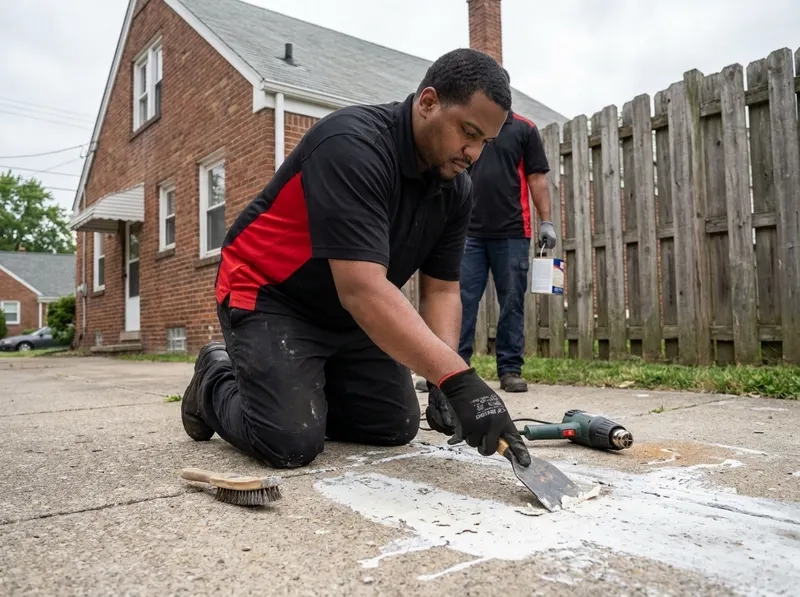
Cuyahoga County waste regulations mandate that municipal garbage trucks refuse liquid coatings because wet chemicals breach containment seals and spill across neighborhood streets during compactor cycling. Latex paint is not classified as hazardous chemical waste, but it cannot enter standard municipal bins until the liquid hardens into a dense solid. Homeowners handling garage cleanouts along Clifton Boulevard in Edgewater or clearing basement workbenches in Old Brooklyn often accumulate dozens of partially dried 1-gallon cans that city curbside programs leave behind. Crews stage collection routes through Ohio City, Slavic Village, and Kamm's Corners to lift, inspect, and haul cured containers directly from basements, porches, and driveways, removing the physical burden before estate deadlines or municipal housing code citations take effect.
Solidified coating pickups differ fundamentally from municipal hazardous waste drop-off events. The county chemical roundups require drivers to haul hazardous items like wet oil enamels to periodic collection sites, whereas our team dispatches heavy-duty haul trucks directly to residential addresses to clear volume accumulations of cured water-based coatings. When managing 5 to 15 containers, homeowner drying methods using cat litter or commercial hardener suffice for individual processing, but larger volumes from whole-house renovations in Detroit-Shoreway or contractor estate clearouts in Tremont overwhelm standard weekly trash limits. The trade-off centers on labor versus transit speed: homeowner manual drying demands days of mixing and container lid management, while scheduled direct pickup empties the workspace in a single morning.
Logistics run transparently without surprise tonnage penalties or driveway damage. 1. Heavy roll-off and transport equipment uses protective wood-blocking systems under vehicle tires and stabilizer pads to safeguard decorative pavers and concrete drives near University Circle and Collinwood. 2. Field technicians inspect every container before loading; coatings must be cured to a non-pourable state, as regulations forbid hauling runny liquid paint alongside general dry debris. 3. Containers are consolidated into heavy-duty containment tubs on the truck bed to prevent dry pigment flaking during transit down Interstate 90 or Interstate 77 toward regulated processing stations.
Every job gets a firm, written price after a free on-site visit.
Tell us about your latex paint & solidified coating removal job in Cleveland and we'll send a clear, written quote, usually the same day.
 BinRush Dumpster Rental